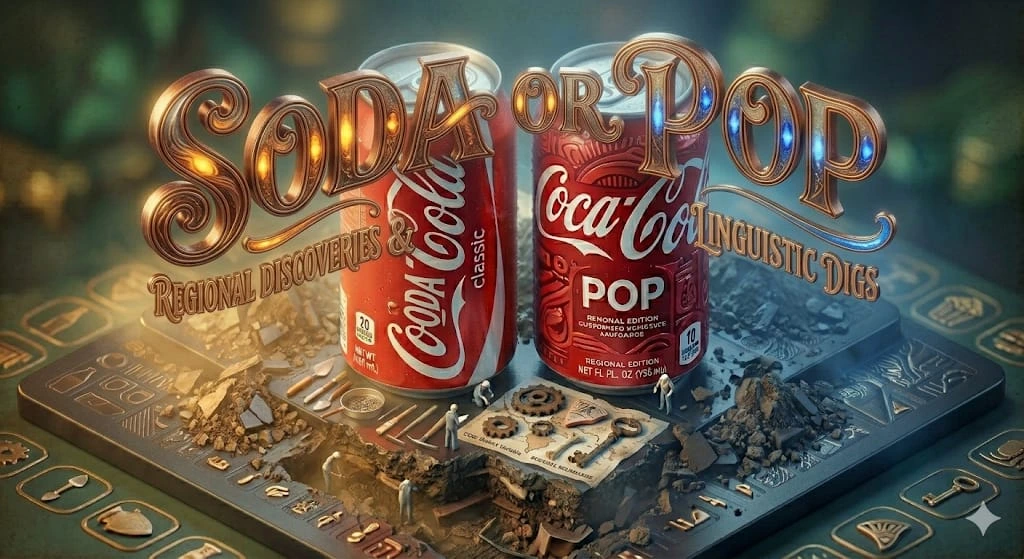
Both soda and pop are correct words for a sweet, carbonated soft drink. The difference is mainly regional. People in many parts of the United States say soda, while others prefer pop. For example, “Can I have a soda?” and “Can I have a pop?” usually mean the same thing.
A few years ago, I was traveling in the United States and stopped at a small restaurant. When I asked for a soda, the server smiled and said, “You mean a pop?” I laughed and wondered if I had used the wrong word.

The answer was no.
What surprised me was how strongly people felt about this simple drink name. Some people insisted that soda was the only correct term. Others argued that pop was the proper word. A few even called every soft drink a Coke, regardless of the brand.
This debate has been around for generations. It appears in schools, restaurants, family gatherings, road trips, and online discussions. While the words describe the same type of beverage, the choice often reveals something about where a person grew up.
If you’ve ever wondered whether you should say soda or pop, you’re not alone. Millions of people search for the answer every year.
The good news is that both terms are correct. The interesting part is understanding why different regions use different words and when each one is most appropriate.
Let’s explore the fascinating world of soda, pop, and regional English vocabulary.
Soda or Pop Quick Answer
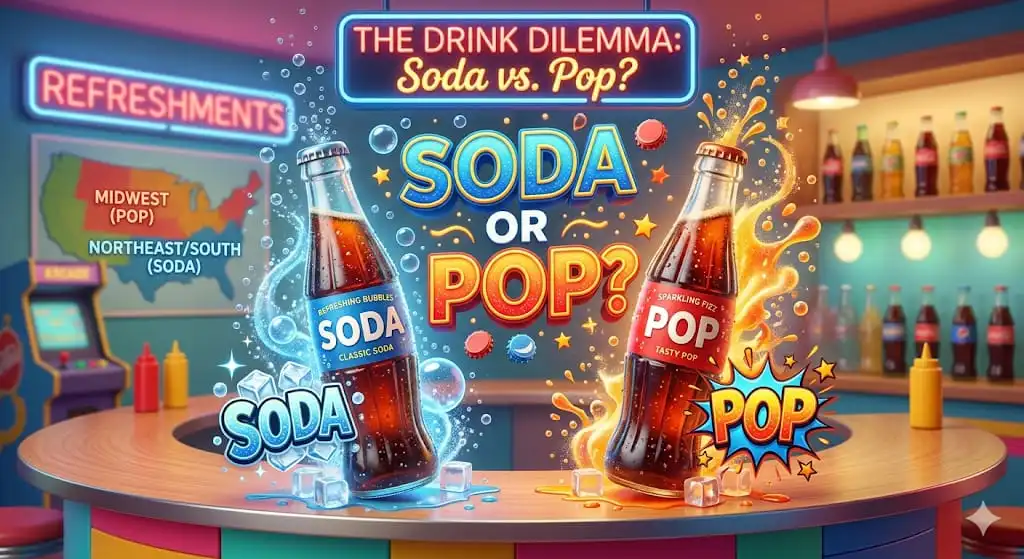
Both soda and pop refer to a sweet, carbonated soft drink.
Examples
✅ Can I have a soda?
✅ Can I have a pop?
✅ I’d like a soft drink.
All three sentences are correct.
The difference is mostly regional rather than grammatical.
Simple Rule
- 🥤 Soda = Common in many parts of the United States
- 🎉 Pop = Common in parts of the Midwest and Canada
- 🌍 Soft Drink = Formal and widely understood everywhere
The Origin and History of Soda
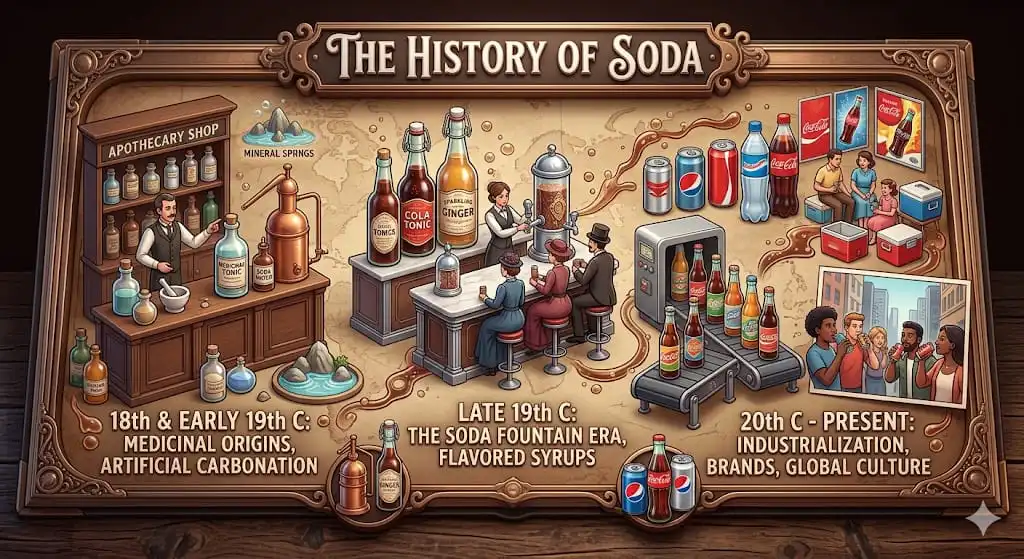
The word soda comes from soda water.
During the eighteenth and nineteenth centuries, carbonated water became increasingly popular. People enjoyed the bubbles and believed the drink offered health benefits.
Soon, manufacturers began adding:
- Sugar
- Fruit flavors
- Syrups
- Natural extracts
These flavored beverages became what we now call soft drinks.
Because they originated from soda water, many people shortened the name to simply soda.
Today, millions of people use this term every day.
The Origin and History of Pop
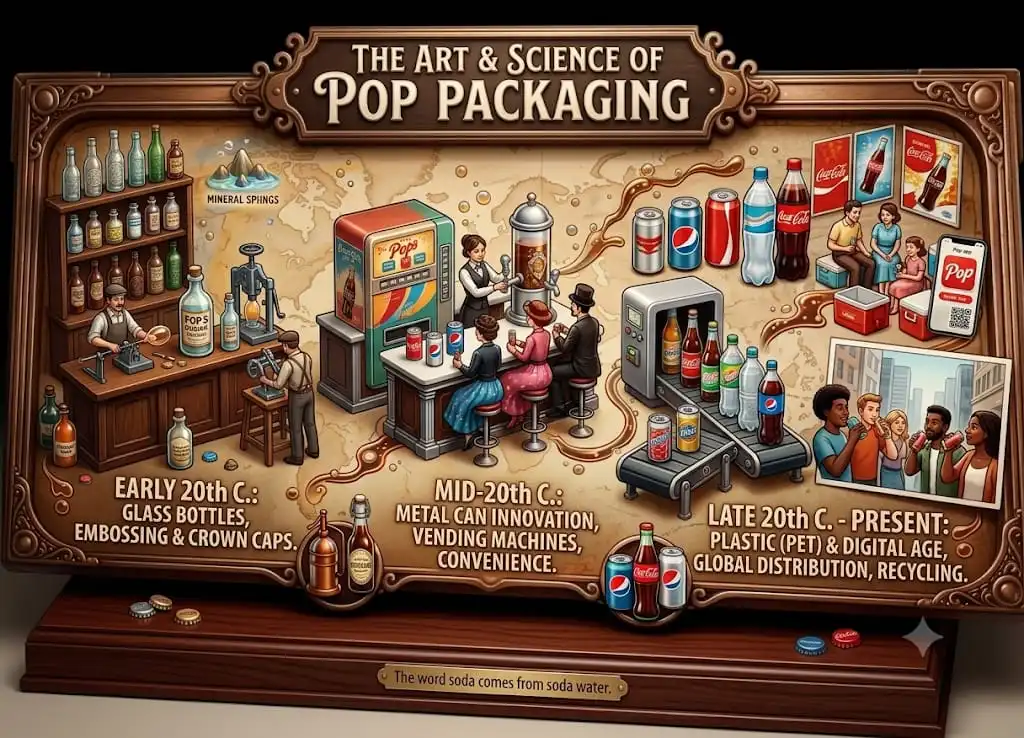
The word pop has a much more playful origin.
Most language historians believe it comes from the sound made when opening a bottle of carbonated beverage.
🎉 Pop!
The distinctive noise became associated with the drink itself.
By the late nineteenth century, many communities had adopted pop as the everyday name for soft drinks.
The term remains especially common in certain regions today.
Soda vs Pop: Understanding the Difference
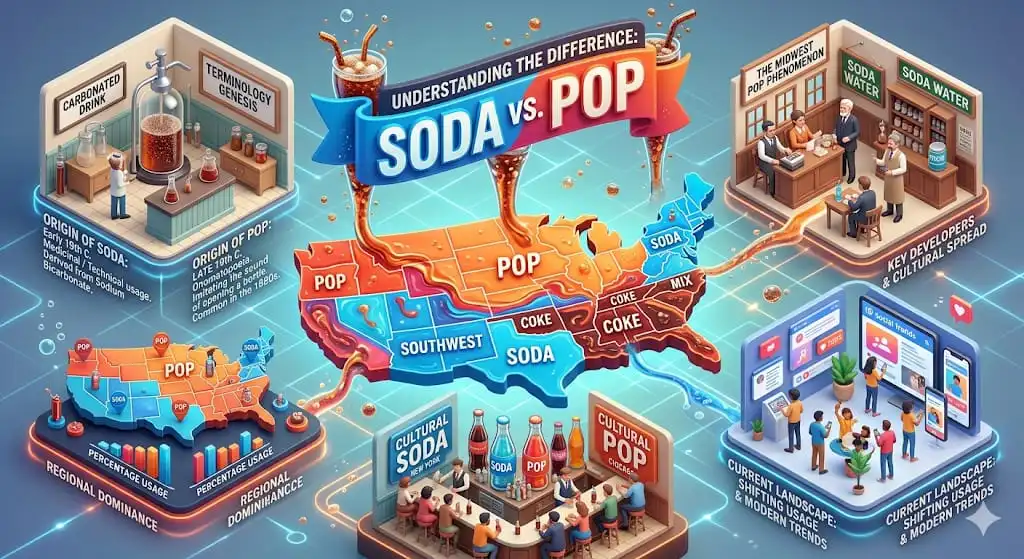
The most important thing to understand is that the drinks themselves are the same.
The difference lies in vocabulary.
TermMeaningRegionTypical UseSodaCarbonated soft drinkMany U.S. regionsEveryday conversationPopCarbonated soft drinkMidwest U.S. and CanadaEveryday conversationSoft DrinkCarbonated beverageInternational EnglishFormal situationsFizzy DrinkCarbonated beverageBritish EnglishCasual conversation
Example
A bottle of cola may be called:
- Soda in California
- Pop in Michigan
- Soft drink in a business report
The beverage remains exactly the same.
Why Do Different Regions Use Different Words?
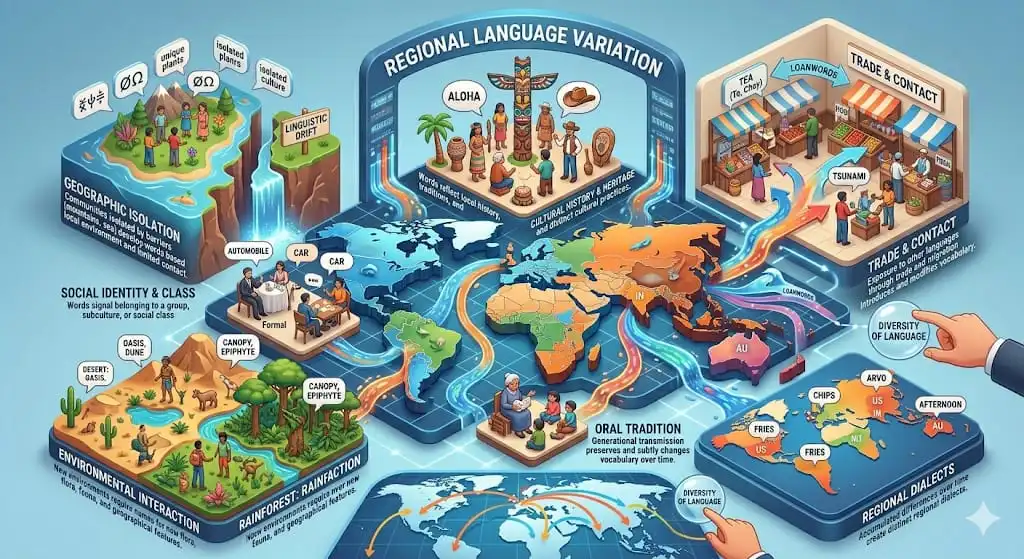
Language develops differently across locations.
Families teach children certain words. Communities adopt local expressions. Over time, those expressions become part of regional identity.
Factors That Influence Vocabulary
- Geography
- Family traditions
- Immigration patterns
- Local culture
- Media influence
The words people choose often reflect where they grew up.
Which Regions Say Soda?
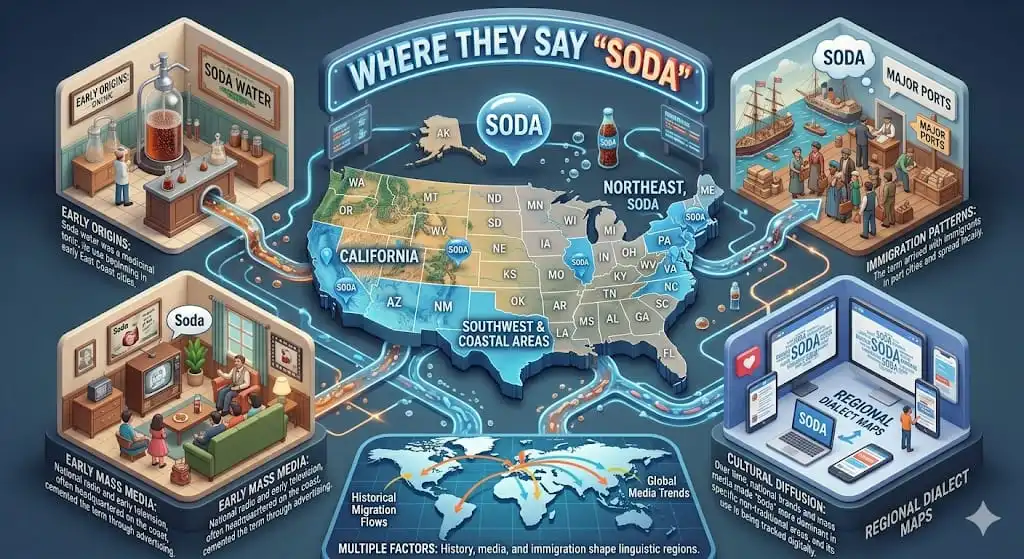
People are more likely to use soda in:
- New York
- California
- Florida
- Nevada
- Arizona
- New Jersey
- Massachusetts
- Much of the East Coast
- Much of the West Coast
If you ask for a soda in these places, nobody will think twice.
Which Regions Say Pop?
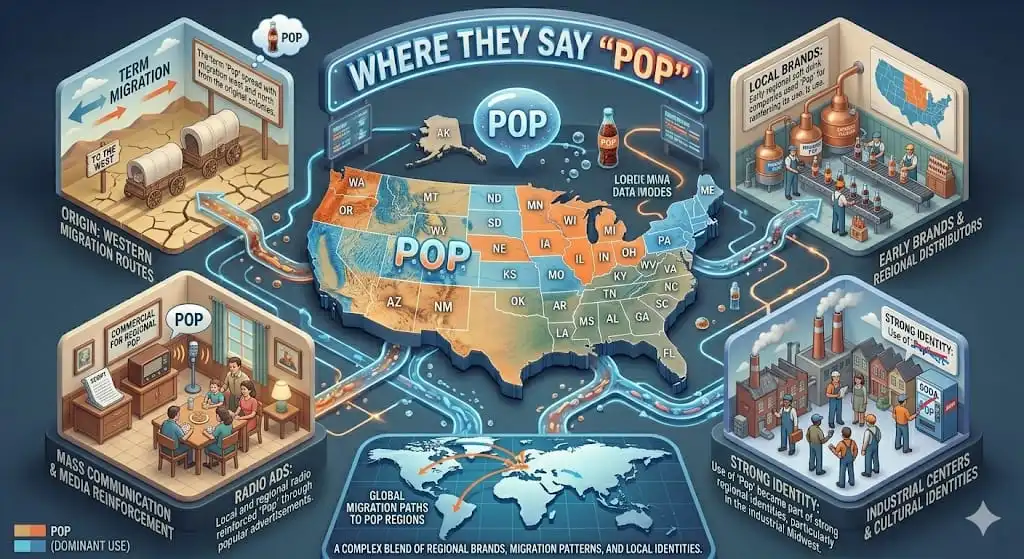
The term pop is especially common in:
- Michigan
- Ohio
- Minnesota
- Wisconsin
- Iowa
- North Dakota
- South Dakota
- Parts of Canada
In these areas, asking for a pop sounds completely natural.
The “Coke” Phenomenon
Some regions use another surprising term.
They call many soft drinks Coke.
For example:
Person A: “What kind of Coke do you want?”
Person B: “Sprite.”
Person A: “Okay.”
This can confuse visitors because Sprite is not actually Coca-Cola.
However, in some communities, Coke functions as a generic term for many carbonated beverages.
Which Version Should You Use?
🎓 For Students
Use the term most common in your area.
Understanding both terms is useful for reading and travel.
✍️ For Writers
Consider your audience.
If your readers are international, soft drink is often the safest choice.
💼 For Business Writing
Use soft drink.
It sounds professional and avoids regional confusion.
🌍 For International Audiences
Choose soft drink whenever possible.
Most English speakers understand it immediately.
📱 For Casual Conversation
Feel free to use:
- Soda
- Pop
- Fizzy drink
depending on where you live.
Common Mistakes with Soda and Pop
Mistake #1: Thinking One Is Wrong
❌ Soda is correct, pop is wrong.
✅ Both are correct.
Mistake #2: Assuming Everyone Uses the Same Term
❌ Everyone says soda.
✅ Vocabulary changes from region to region.
Mistake #3: Using Local Terms in Global Writing
❌ Regional vocabulary always works internationally.
✅ Soft drink is often clearer for global readers.
Mistake #4: Confusing Soda with Sparkling Water
❌ Soda and sparkling water always mean the same thing.
✅ Sparkling water often contains no sugar, while soda usually refers to flavored soft drinks.
Soda or Pop in Real World Examples
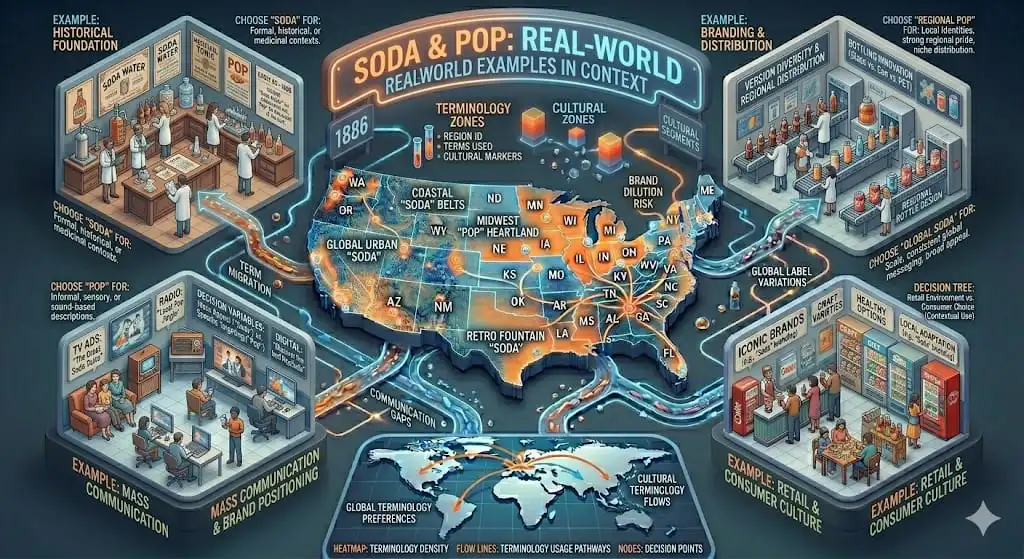
Professional Email
Dear Team,
Refreshments, including water and soft drinks, will be available during the conference.
Best regards,
Event Coordinator
News Headline
Soft Drink Sales Increase During Summer Heatwave
Social Media Post
Nothing beats a cold soda on a hot day! 🥤☀️
Casual Conversation
Want a pop from the fridge?
Restaurant Menu
Soft Drinks Available:
- Cola
- Lemon-Lime
- Orange Soda
- Root Beer
25 Example Sentences Using Soda and Pop
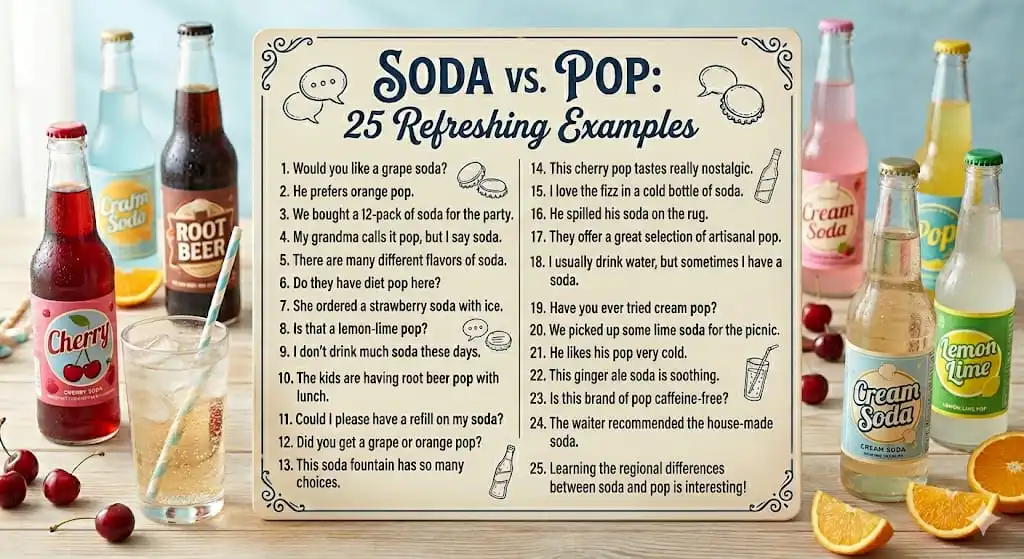
- I ordered a soda with my lunch.
- She prefers orange soda.
- My grandfather always says pop.
- We bought pop at the grocery store.
- The restaurant serves many sodas.
- He grabbed a cold pop from the cooler.
- I rarely drink soda.
- They offered free pop at the event.
- The soda tasted refreshing.
- The pop was ice cold.
- She spilled her soda.
- He opened a bottle of pop.
- The soda machine was broken.
- The pop aisle was crowded.
- We shared a soda.
- My friend calls it pop.
- The kids enjoyed their soda.
- The guests drank pop during the game.
- I chose lemon soda.
- She bought grape pop.
- The soda was fizzy.
- The pop was sweet.
- We stopped for soda on the road trip.
- They served pop at the picnic.
- Everyone enjoyed the soft drinks.
Fun Facts About Soda and Pop
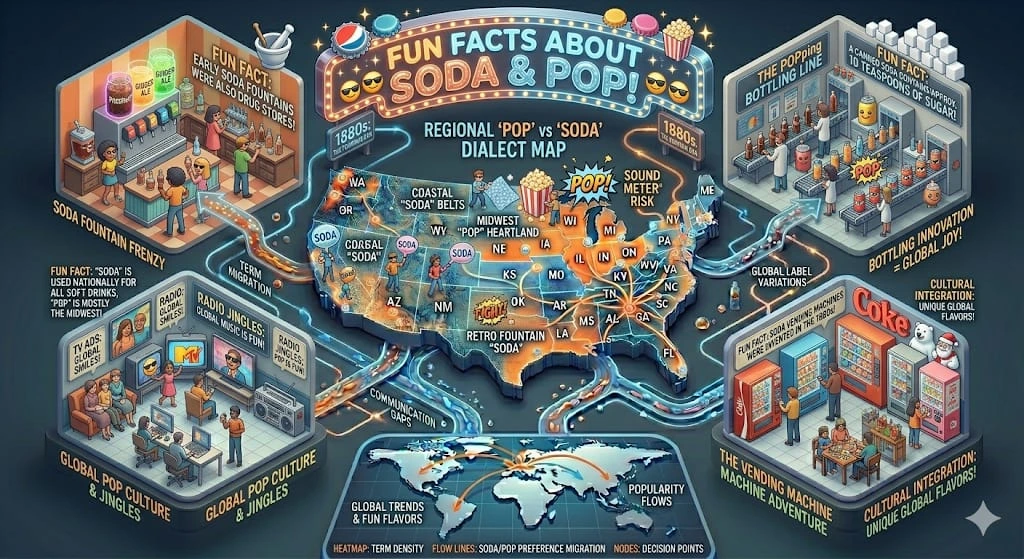
🥤 Americans Disagree Strongly
One of the most famous language maps in the United States tracks whether people say soda, pop, or Coke.
🌎 Other Countries Use Different Terms
Many English speakers outside North America prefer:
- Fizzy drink
- Soft drink
- Soft beverage
🎉 Pop Is Older Than Many People Think
The word has been used for more than a century.
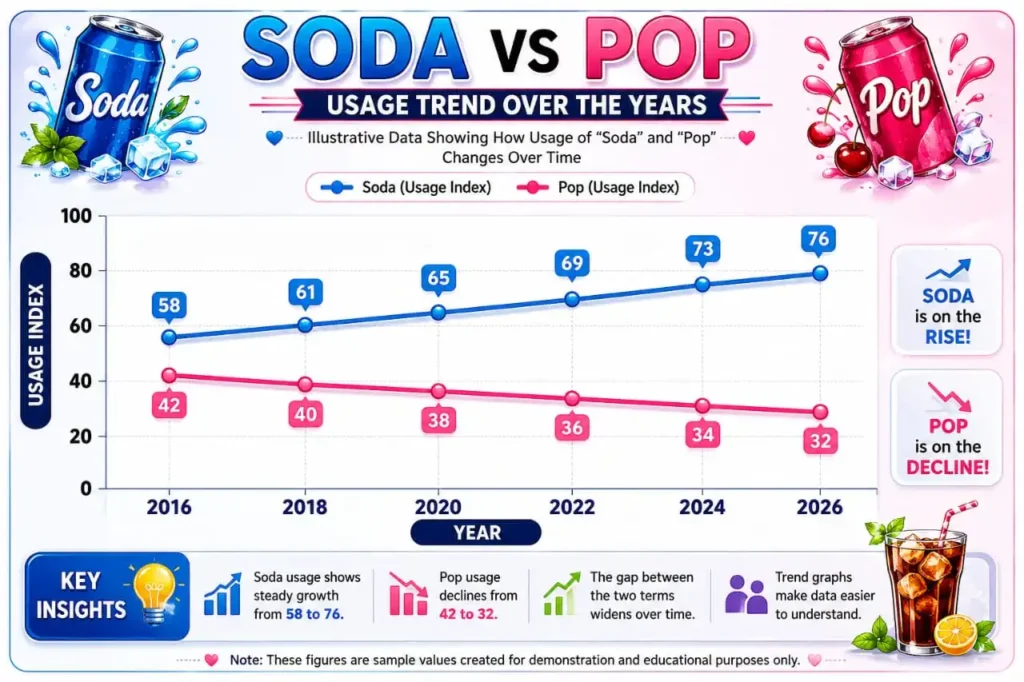
Soda or Pop Trends and Usage
Search Intent
The keyword has informational search intent.
People want to know:
- Which word is correct?
- Why regions differ?
- Which term they should use?
Popular Audiences
- Students
- Travelers
- English learners
- Writers
- Language enthusiasts
Why This Topic Matters
Regional vocabulary reveals how language changes over time.
Understanding these differences helps you communicate naturally with people from different backgrounds.
Standalone Comparison Table
🥤 Soda vs Pop: Easy Comparison Table
| Feature | 🥤 Soda | 🥤 Pop |
|---|---|---|
| Meaning | A carbonated soft drink | A carbonated soft drink |
| Is There a Difference? | No real difference in the drink itself | No real difference in the drink itself |
| Used Most Often In | Southern and Eastern United States, California, and many other regions | Midwest and parts of Northern United States |
| Common Examples | Coca-Cola, Sprite, Pepsi, Fanta | Coca-Cola, Sprite, Pepsi, Fanta |
| Pronunciation | SOH-duh | POP |
| Type of Word | Noun | Noun |
| Refers To | Sweet fizzy beverages | Sweet fizzy beverages |
| Formal or Informal? | Informal everyday term | Informal everyday term |
| Popularity Worldwide | More widely recognized internationally | Mainly used in certain regions of North America |
| Example Sentence | “Would you like a soda with your meal?” | “Would you like a pop with your meal?” |
| Origin of the Term | Comes from the sodium salts once used in early soft drinks | Named after the “pop” sound when opening a bottle |
| Common in Restaurants? | Very common on menus | Less common outside pop-speaking regions |
| Used in Advertising? | Frequently used nationwide | Mostly used in regional advertising |
| Meaning Changes? | No | No |
| Correct English? | ✔ Yes | ✔ Yes |
| Which Should You Use? | Best for a general audience | Best if writing for Midwest U.S. readers |
🎯 Quick Summary
| If You Mean… | Use |
|---|---|
| A term understood almost everywhere | 🥤 Soda |
| The regional Midwest U.S. term | 🥤 Pop |
| Coca-Cola, Pepsi, Sprite, etc. | 🥤 Either Soda or Pop |
Soda and Pop refer to the same fizzy soft drink. The choice depends mainly on regional vocabulary, not on any difference in the beverage itself.
Frequently Asked Questions
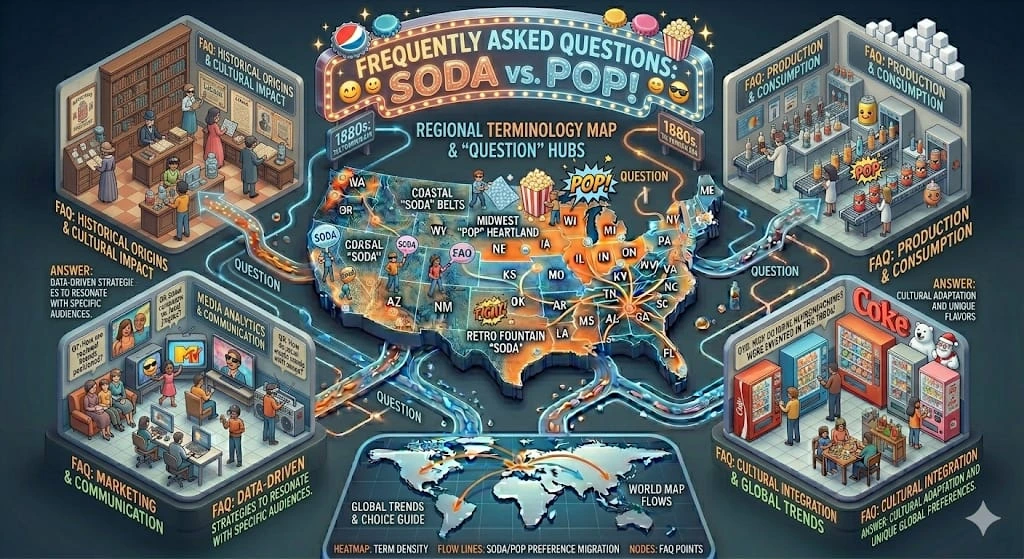
What does soda mean?
Soda refers to a sweet, carbonated soft drink such as cola, lemon-lime soda, root beer, or orange soda.
What does pop mean?
Pop is another word for a carbonated soft drink. It means the same thing as soda in most situations.
Is soda or pop more correct?
Neither is more correct. Both are accepted English terms.
Why do some people say pop?
Regional language traditions influence vocabulary choices.
Is pop used in Canada?
Yes. Many Canadians commonly use the word pop.
Which term is best for professional writing?
Soft drink is usually the safest and most professional option.
Is Coke the same as soda?
Not exactly. Coke is a specific brand, although some regions use it as a general term.
What do British people say?
Many British speakers use terms such as fizzy drink or soft drink.
Conclusion
The debate over soda or pop is one of the most interesting examples of regional English vocabulary. The good news is that you don’t have to choose a single “correct” answer because both terms are correct.
Remember these key points:
- ✅ Soda and pop mean the same thing.
- ✅ The difference is regional.
- ✅ Soft drink is ideal for formal communication.
- ✅ Some regions even use Coke as a general term.
- ✅ Understanding regional vocabulary improves communication.
Language is more than grammar rules. It also reflects culture, history, and community identity. Whether you order a soda, grab a pop, or ask for a soft drink, you’ll still get the same refreshing beverage.
🥤 Bookmark this guide so you never wonder about soda or pop again, and share it with someone who loves language debates.
Read More:
Winning or Wining: The Complete Usage Guide🏆🍷

📚✨ I’m an English enthusiast and author dedicated to exploring word differences, spelling variations, and common language questions. By drawing on trusted dictionaries, language resources, and practical usage examples, I create clear, reliable content that helps readers learn with confidence and communicate more effectively. ✍️🌍