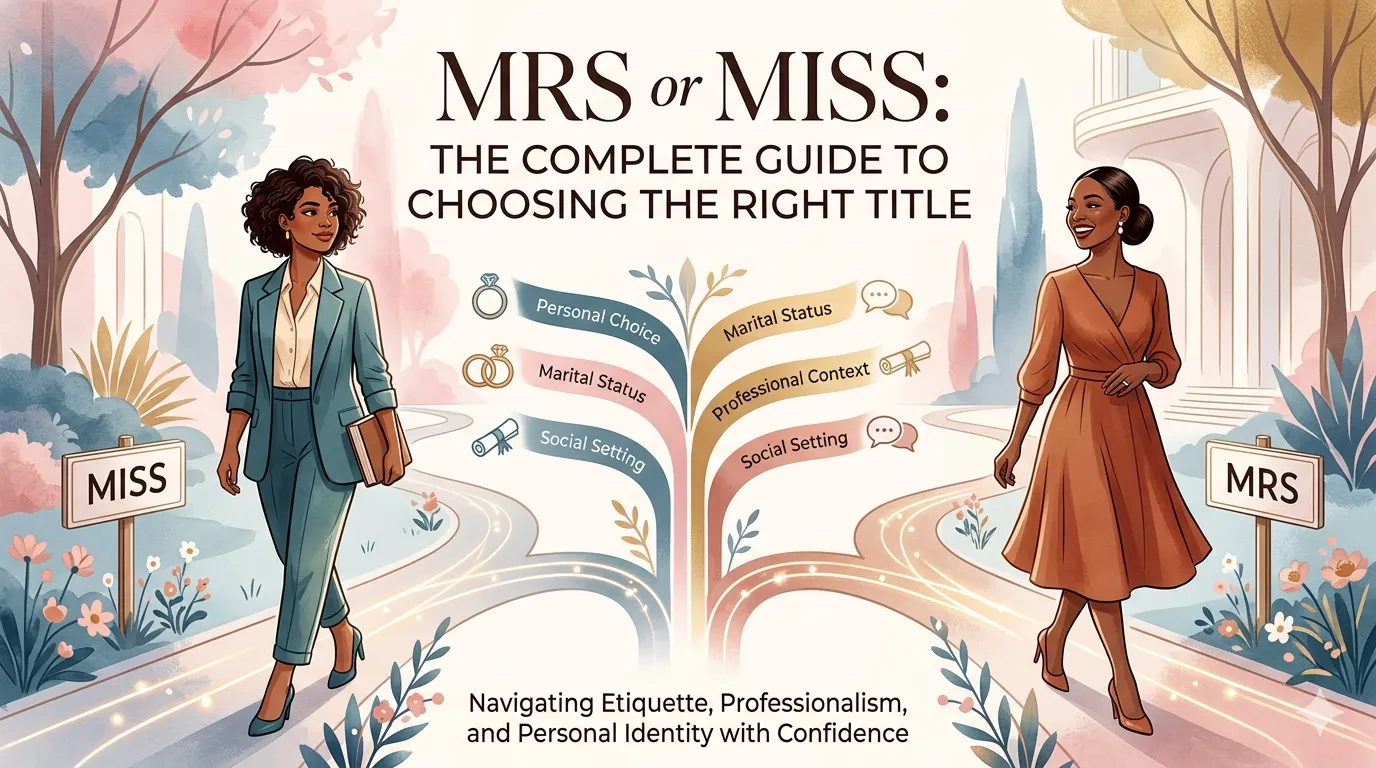
Mrs. is traditionally used for a married woman, while Miss is used for an unmarried woman. Choosing the right title depends on the person’s preference, age, and marital status.
I once addressed an email to a parent using “Miss” before her name. A few minutes later, I realized she was married and preferred “Mrs.” It was a small mistake, but it reminded me how easily these titles can cause confusion.
Many people struggle with Mrs or Miss because the rules seem simple at first. Then real-life situations make things less clear. Not sure about someone’s marital status? Writing a professional email? Or dealing with a person who prefers a different title? Choosing the right form of address can feel tricky.
These questions come up every day in schools, workplaces, and formal communication. Even native English speakers sometimes hesitate before choosing the correct title.
The good news is that understanding the difference between Mrs. and Miss is easier than you might think. Once you learn the history, meaning, and modern usage of each title, you’ll feel much more confident.
Let’s clear up the confusion and make sure you always choose the right title.
Mrs or Miss: Quick Answer
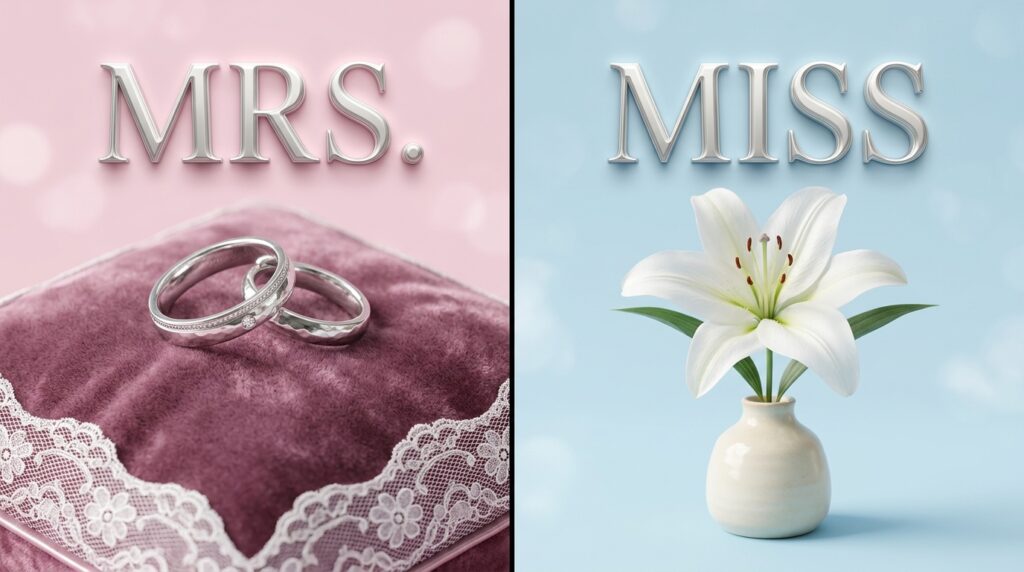
The traditional rule is simple:
- Mrs. = married woman
- Miss = unmarried woman
Examples
✅ Mrs. Sarah Johnson is our new manager.
✅ Miss Emily Brown teaches English.
Quick Tip
Use Mrs, If you know a woman is married and prefers the traditional title.
Miss is used for unmarried woman.
If you’re unsure, Ms. is often the safest modern choice.
The Origin / Background of Mrs or Miss
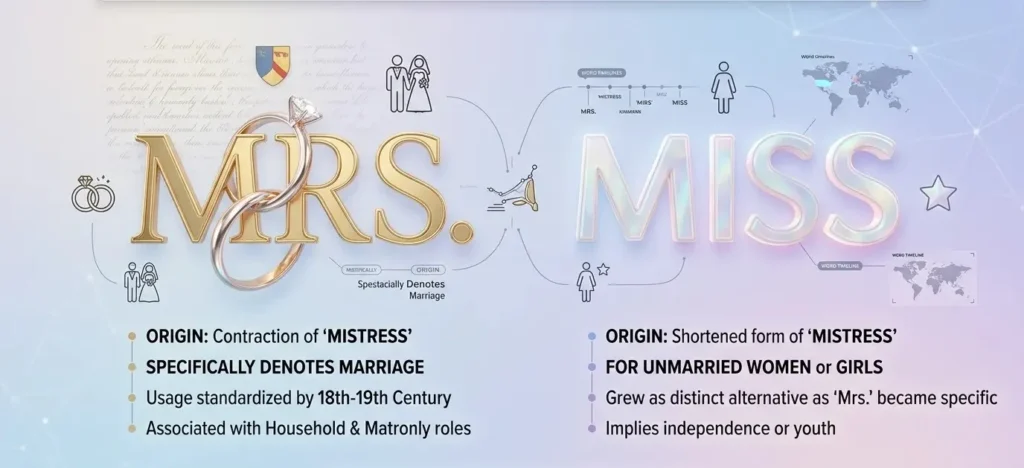
These titles have been part of English for centuries.
Origin of Mrs.
Mrs. developed from the word “Mistress.”
In earlier English, “Mistress” referred to a woman of authority or respect.
Over time, the abbreviation Mrs. became associated with married women.
Origin of Miss
Miss also comes from “Mistress.”
By the 17th century, it became a title used mainly for young or unmarried women.
Why the Confusion Exists
Several factors create confusion today:
- Modern society places less emphasis on marital status.
- Many women prefer Ms.
- Not everyone shares their marital status publicly.
- Professional communication often avoids assumptions.
Because of these changes, people often wonder which title is most appropriate.
Mrs or Miss Explained: Key Differences
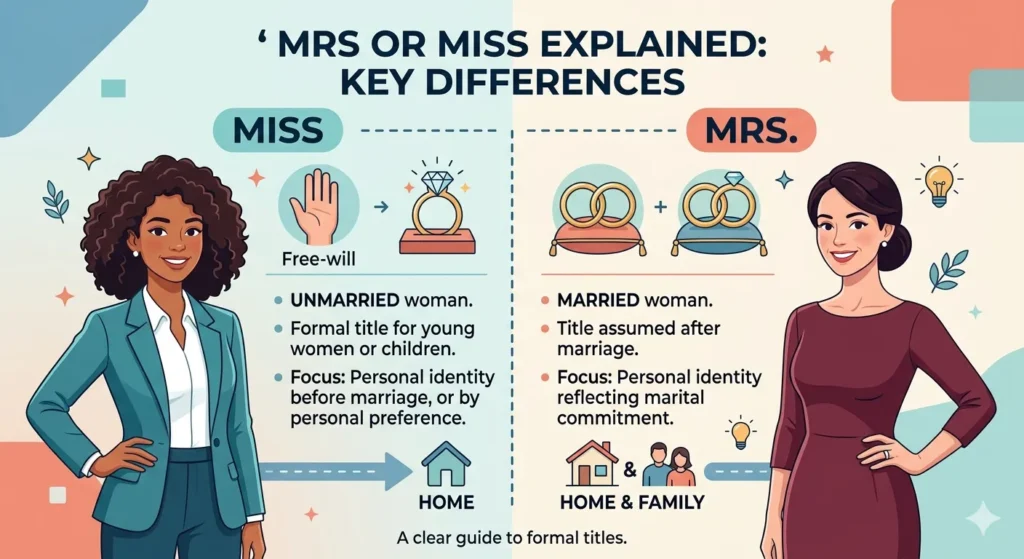
The main difference involves marital status.
| Term | Meaning | When to Use | Region/Context |
| Mrs. | Married woman | Traditional use for married women | Formal and traditional settings |
| Miss | Unmarried woman | Young or unmarried women | Formal and informal settings |
Examples of Mrs.
- Mrs. Wilson attended the meeting.
- Mrs. Taylor lives next door.
- Mrs. Smith signed the document.
Examples of Miss
- Miss Anderson won the award.
- Miss Parker teaches math.
- Miss Brown is a university student.
Modern Considerations
Today, many women prefer Ms. because it does not reveal marital status.
That choice is becoming increasingly common in professional settings.
Which Version Should You Use?
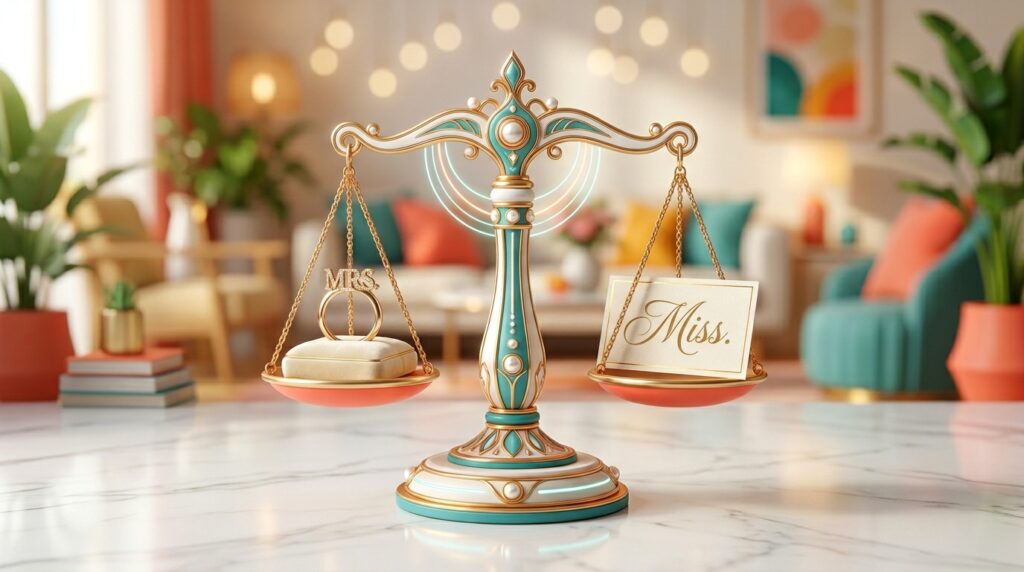
The best choice depends on the situation.
For Students
Use the title your teacher prefers.
Examples:
- Mrs. Johnson
- Miss Carter
For Business Professionals
If you know the person’s preferred title, use it.
If you don’t know, Ms. is often the safest option.
For Formal Invitations
Traditional etiquette usually follows marital status.
- Married woman → Mrs.
- Unmarried woman → Miss
For Global Communication
When you’re uncertain, Ms. helps avoid incorrect assumptions.
Best Recommendation
Use the title the person prefers whenever possible.
Personal preference should always come first.
Common Mistakes with Mrs or Miss
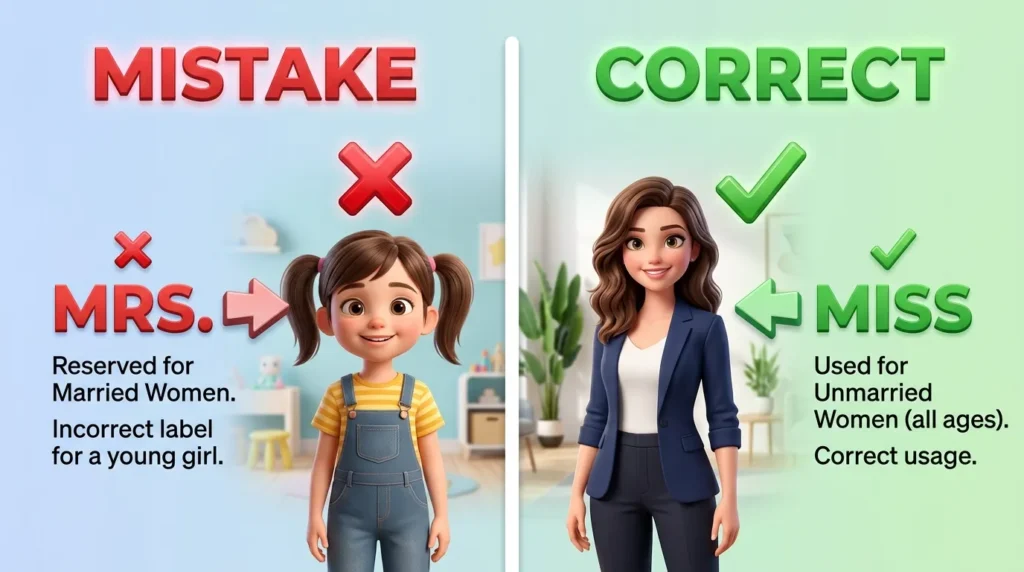
These mistakes happen often.
| Mistake | Correct Version |
| Calling a married woman Miss when she prefers Mrs. | Use Mrs. |
| Calling an unmarried woman Mrs. | Use Miss or Ms. |
| Assuming marital status without knowing it. | Use Ms. if unsure. |
| Using the wrong title in professional emails. | Check preferences first. |
| Forgetting that preferences vary. | Respect individual choices. |
Why These Errors Happen
1. Lack of Information
You may not know someone’s marital status.
2. Changing Social Norms
Traditional rules are less strict today.
3. Regional Differences
Usage varies between cultures and workplaces.
4. Personal Preferences
Not everyone follows traditional title conventions.
Mrs or Miss in Real-World Examples
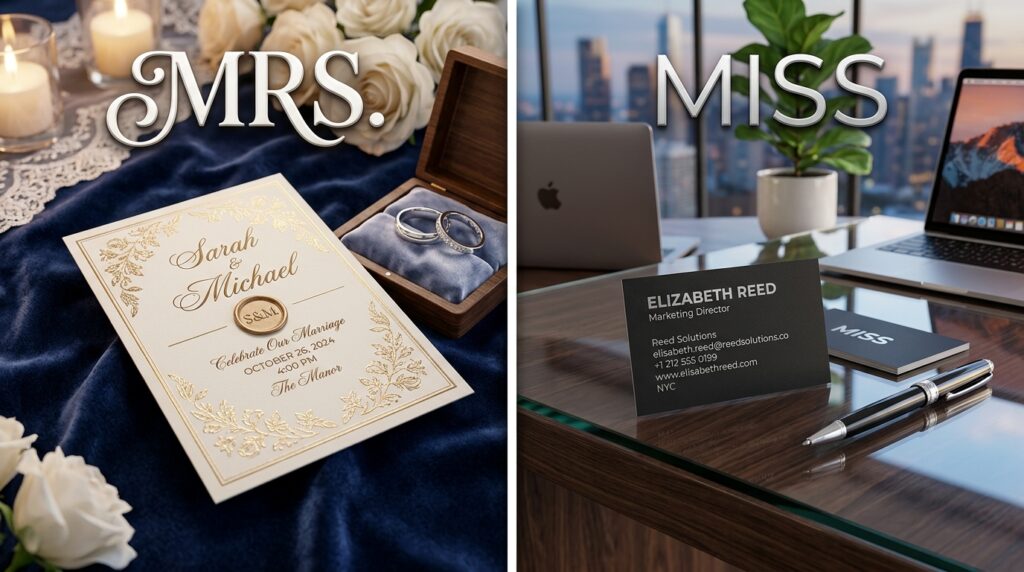
Professional Email
“Dear Mrs. Thompson, thank you for attending yesterday’s meeting.”
School Communication
“Miss Wilson will supervise the field trip this Friday.”
News Article
“Mrs. Harris was recognized for her years of community service.”
Social Media Post
“Congratulations to Miss Patel for winning the scholarship!”
Formal Report
“Mrs. Evans chaired the committee meeting and presented the final recommendations.”
Mrs or Miss: Data, Trends & Usage
Questions about Mrs or Miss remain common because titles are still widely used in education, business, and formal communication.
Search Intent
Primary intent:
- Informational
Users typically want to know:
- Which title is correct
- When to use each title
- Modern etiquette rules
Audiences Most Interested
- Students
- Teachers
- Job seekers
- Business professionals
- English learners
- Administrative staff
Regions With High Interest
- United States
- United Kingdom
- Canada
- Australia
- India
Why It Matters Today
Respectful communication matters more than ever. Using the correct title helps create positive first impressions and shows professionalism.
Mrs vs Miss Comparison Table
| Term/Variant | Meaning | Region/Context | Best Used When |
| Mrs. | Married woman | Traditional English usage | When a married woman prefers the title |
| Miss | Unmarried woman | Traditional English usage | When referring to an unmarried woman |
| Ms. | Marital status not specified | Modern professional usage | When status is unknown or irrelevant |
Frequently Asked Questions
Q: What does Mrs. mean?
A: Mrs. is a title traditionally used for married women. It is commonly used in formal and professional settings.
Q: What does Miss mean?
A: Miss is a title generally used for unmarried women and girls. It often appears in educational and formal contexts.
Q: Which is correct, Mrs. or Miss?
A: Both are correct. The right choice depends on the woman’s marital status and personal preference.
Q: Is Miss acceptable in formal writing?
A: Yes. Miss is acceptable when referring to an unmarried woman who uses that title.
Q: What should I use if I don’t know marital status?
A: Ms. is usually the safest choice because it does not indicate marital status.
Q: Where do Mrs. and Miss come from?
A: Both titles developed from the older English word “Mistress.” Their meanings changed over time.
Q: Can a married woman use Miss?
A: A woman can choose the title she prefers, though traditionally married women use Mrs. or Ms.
Q: Is Ms. replacing Mrs. and Miss?
A: In many workplaces, Ms. has become more common because it focuses on the individual rather than marital status.
Conclusion
The difference between Mrs. and Miss is rooted in traditional English usage.
Remember these key points:
- Mrs. is traditionally used for married women.
- Miss is traditionally used for unmarried women.
- Ms. is often the safest choice when marital status is unknown.
- Personal preference should always be respected.
Language changes over time, and modern communication is more flexible than it once was. The most important thing is showing respect and using the title that the person prefers.
When in doubt, ask politely or choose Ms. until you know their preference.
Now you know exactly how to use Mrs or Miss, go try it in your next piece of writing. Bookmark this guide so you never second-guess these titles again, and share it with someone who’s been confused about them.
Read More: Unkempt or Unkept: The Complete Guide to the Right Word🤔✅

I am an English language expert dedicated to exploring the nuances of words and their meanings. Through detailed comparisons and practical insights, I help readers understand the finer points of language and use words with accuracy and confidence.