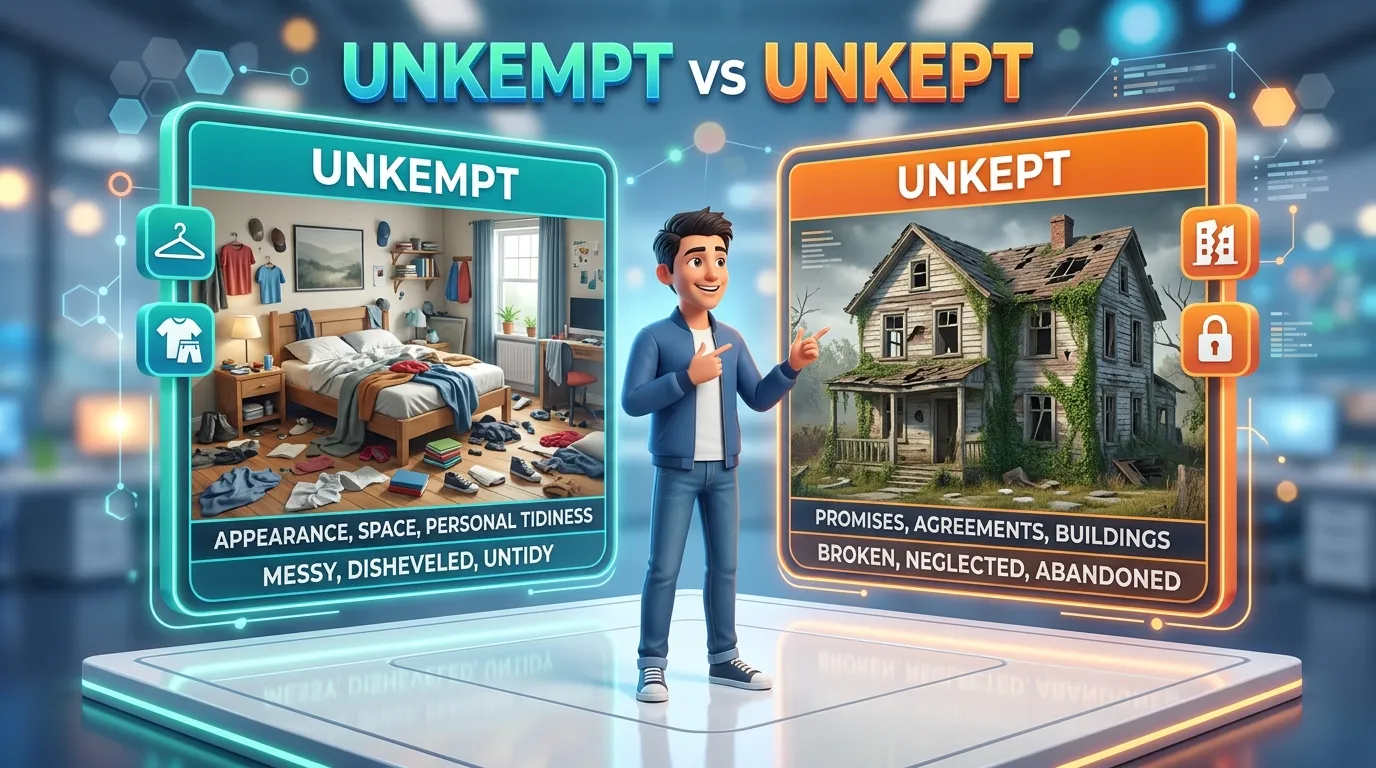
Unkempt is the correct and commonly accepted word for describing something messy, untidy, or not well cared for. Unkept exists but is rarely used and usually means “not kept” rather than untidy.
A few years ago, I was reviewing a blog post written by a student. Everything looked good until I reached a sentence that described a man with “unkept hair.” It sounded odd. The writer meant messy hair, but the wrong word changed the tone of the sentence.
This mistake is more common than you might think. Many people assume that unkept is the opposite of kept, just as unkind is the opposite of kind. That seems logical. Yet English has a surprise waiting here.
When people search for unkempt or unkept, they usually want to know which word is correct, whether both words are acceptable, and which one should be used in formal writing.
The answer is simple once you understand the history and meaning behind each word. By the end of this guide, you’ll know exactly when to use unkempt, when unkept might fit, and how to avoid one of the most common vocabulary mistakes in English.
Unkempt or Unkept: Quick Answer
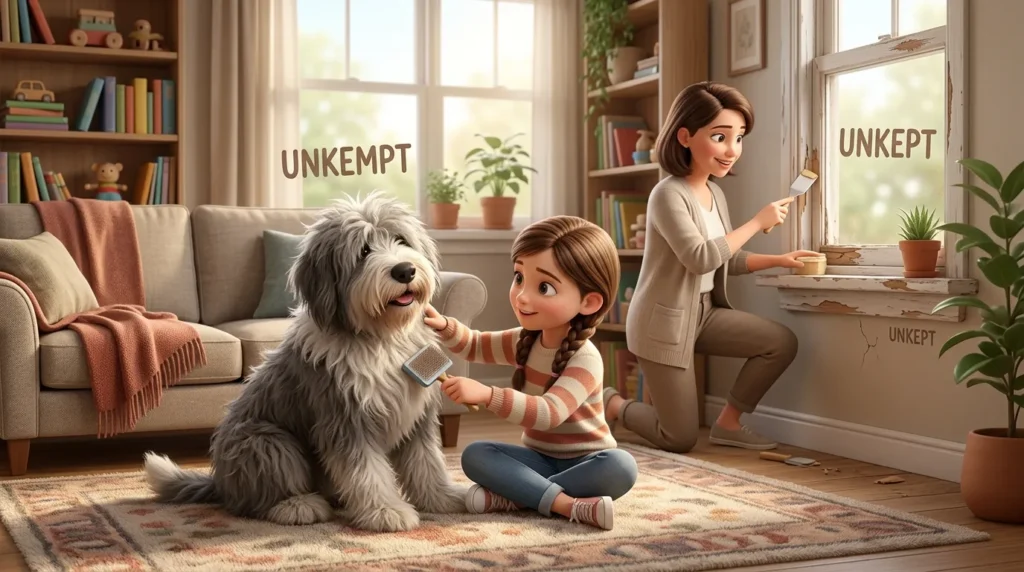
If you are describing messy hair, untidy clothing, or a neglected appearance, use unkempt.
If you mean something that was not maintained, not fulfilled, or not kept, use unkept.
Examples
✅ Olivia had unkempt hair after the journey. Furthermore, her hair were dusty.
✅ He made an unkept promise.
✅ The old house had an unkempt yard. Moreover, nobody cared for it.
✅ Many records remained unkept.
In most everyday situations, unkempt is the word you need.
The Origin / Background of Unkempt or Unkept
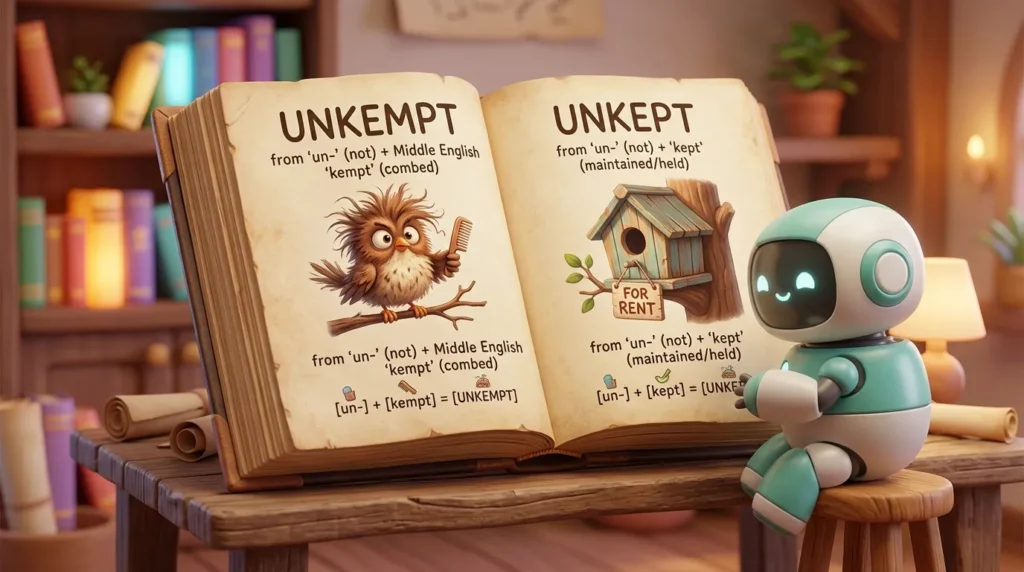
The confusion comes from the way these words look.
Many people assume unkempt came from the word “kept.” Surprisingly, it did not.
Origin of Unkempt
Unkempt comes from the old English word kempt, which meant “well-combed” or “neatly arranged.”
Over time, the word kempt became uncommon. However, unkempt survived and remained popular.
Today, most people know unkempt but rarely use kempt.
Origin of Unkept
Unkept is built from the verb keep.
It simply means:
- Not kept
- Not maintained
- Not fulfilled
- Not preserved
Why the Confusion Exists
People often think:
- kept → unkept
- clean → unclean
- kind → unkind
That pattern seems natural.
The problem is that unkempt and unkept developed from different words and have different meanings.
Unkempt or Unkept Explained: Key Differences
The biggest difference is meaning.
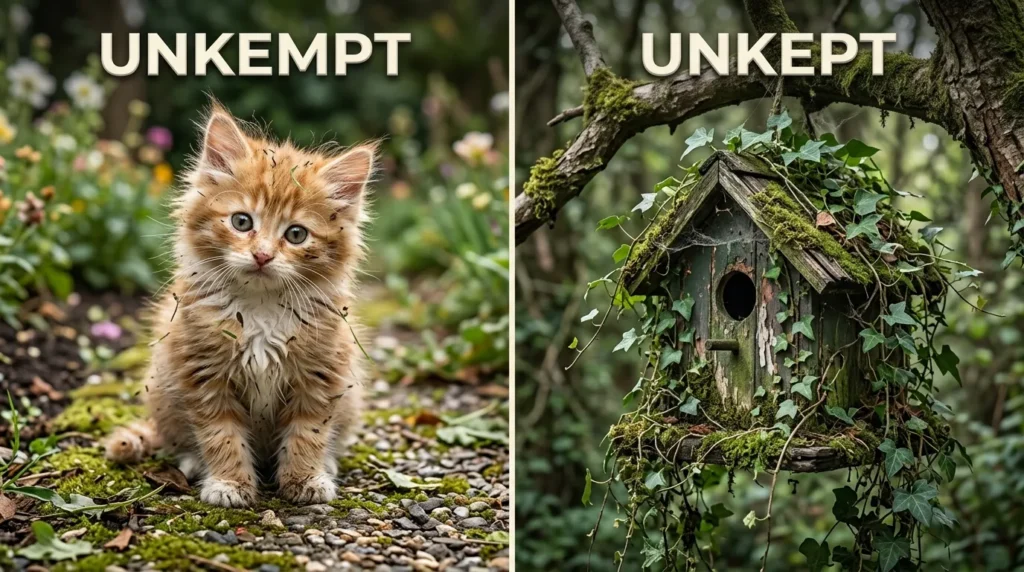
Unkempt describes appearance.
Unkept describes something that was not maintained or fulfilled.
| Term | Meaning | When to Use | Region/Context |
| Unkempt | Messy, untidy, neglected in appearance | Hair, clothes, gardens, appearance | All English varieties |
| Unkept | Not maintained, not fulfilled, not preserved | Promises, records, obligations | Less common usage |
Examples of Unkempt
- An unkempt beard
- An unkempt lawn
- An unkempt appearance
- Unkempt clothing
Examples of Unkept
- An unkept promise
- An unkept agreement
- Unkept records
- An unkept commitment
Quick Memory Tip
Think:
Unkempt = appearance
Unkept = not kept
This simple trick solves the confusion instantly.
Which Version Should You Use?

For most writers, the answer is clear.
For Students
Use unkempt when describing someone’s appearance.
Example:
- The boy arrived with unkempt hair.
For Bloggers
Choose unkempt when writing about people, homes, gardens, or clothing.
For Professional Writers
Use unkept only when discussing something that was not maintained or fulfilled.
Example:
- The contract contained several unkept obligations.
For Global English
The safest choice is:
- Unkempt for appearance
- Unkept for “not kept”
Best Recommendation
If you’re talking about messy hair, clothes, or surroundings, always choose unkempt.
Common Mistakes with Unkempt or Unkept
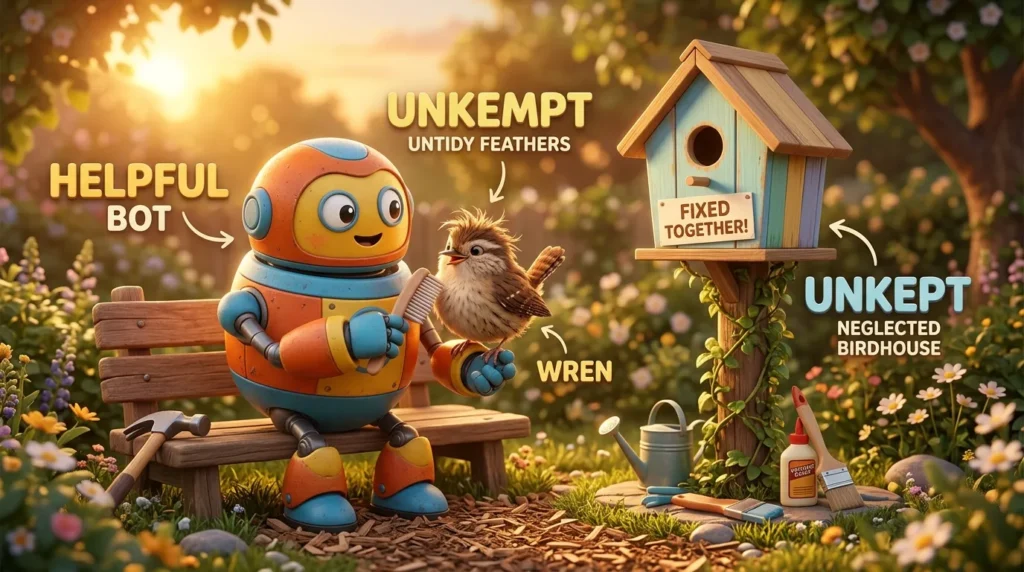
Here are mistakes writers make most often.
| Mistake | Correct Version |
| He had unkept hair. | He had unkempt hair. |
| The unkept garden looked messy. | The unkempt garden looked messy. |
| Her unkept appearance worried her boss. | Her unkempt appearance worried her boss. |
| The unkempt promise was forgotten. | The unkept promise was forgotten. |
| Several unkempt records were missing. | Several unkept records were missing. |
Why These Errors Happen
1. Similar Spelling
The words differ by only a few letters.
2. Logical Assumptions
People assume unkept must be the opposite of kept in every situation.
3. Rare Exposure
Many writers hear unkempt but rarely learn its history.
4. Spell Check Limitations
Grammar tools may not always catch the wrong choice.
Unkempt or Unkept in Real-World Examples
Professional Email
“The property appears unkempt and may require maintenance before inspection.”
News Headline
“Residents complain about unkempt public spaces across the neighborhood.”
Social Media Post
“My hair looks completely unkempt after today’s windy weather.”
Formal Report
“Several required records remained unkept during the audit period.”
Everyday Conversation
“His unkempt beard made him look much older.”
Unkempt or Unkept: Data, Trends & Usage
Searches for unkempt or unkept remain popular among students and writers.
Search Intent
Primary intent:
- Informational
People want to know:
- Which word is correct
- What each word means
- How to avoid mistakes
Who Searches Most?
- Students
- English learners
- Teachers
- Editors
- Bloggers
- Professional writers
Regions With High Interest
- United States
- United Kingdom
- Canada
- Australia
- India
Why It Matters Today
Good writing depends on precise word choice. Small vocabulary mistakes can make professional writing look less polished. Understanding the difference between unkempt and unkept helps your writing appear clearer and more credible.
Unkempt vs Unkept Comparison Table
| Term/Variant | Meaning | Region/Context | Best Used When |
| Unkempt | Messy, untidy, poorly groomed | Universal English | Describing appearance, hair, clothing, gardens |
| Unkept | Not maintained or fulfilled | Less common but accepted | Describing promises, obligations, records, agreements |
Frequently Asked Questions
Q: What does unkempt mean?
A: Unkempt means untidy, messy, or not properly cared for. It is commonly used to describe hair, clothing, gardens, or someone’s appearance.
Q: What does unkept mean?
A: Unkept means not maintained, not fulfilled, or not preserved. It is often used for promises, agreements, and records.
Q: Which is correct, unkempt or unkept hair?
A: Unkempt hair is correct. This is the standard expression used in English.
Q: Is unkept a real word?
A: Yes. Unkept is a real word. However, it does not usually mean messy or untidy.
Q: Can unkept describe a person’s appearance?
A: It is generally not recommended. Native speakers almost always use unkempt when discussing appearance.
Q: Is unkempt acceptable in formal writing?
A: Yes. Unkempt is widely accepted in formal, academic, journalistic, and professional writing.
Q: Where does unkempt come from?
A: It comes from the old word kempt, which meant neat or well-combed. The negative form survived while the original word became rare.
Q: What’s the difference between unkempt and messy?
A: Both suggest untidiness. However, unkempt often refers to a person’s appearance or something neglected over time.
Conclusion
The choice between unkempt and unkept becomes easy once you understand their meanings.
Remember these key points:
- Unkempt means messy, untidy, or poorly groomed.
- Unkept means not maintained or not fulfilled.
- Hair, clothing, lawns, and appearance are usually unkempt.
- Promises, agreements, and records can be unkept.
Most people searching for this topic are looking for the correct word to describe a messy appearance. In nearly every case, that word is unkempt.
Learning small differences like this can make a big improvement in your writing. Your sentences become clearer, more professional, and easier to understand.
Now you know exactly how to use unkempt or unkept, go try it in your next piece of writing. Bookmark this guide so you never second-guess these words again, and share it with someone who’s been confused about them.
Read More: Winning or Wining: The Complete Usage Guide🏆🍷

I am an English language expert dedicated to exploring the nuances of words and their meanings. Through detailed comparisons and practical insights, I help readers understand the finer points of language and use words with accuracy and confidence.